Exciting School Holiday Activities Across Brisbane
Discover inclusive, engaging, and fully supported school holiday programs tailored for NDIS participants of all ages and abilities. Guided by Caterpillar Care’s qualified support workers with 1:1 and small group options across Brisbane’s best destinations.
Explore Brisbane’s premier botanical gardens, conservation bushlands, wildlife sanctuaries, and riverfront beaches with dedicated 1:1 and small group support.
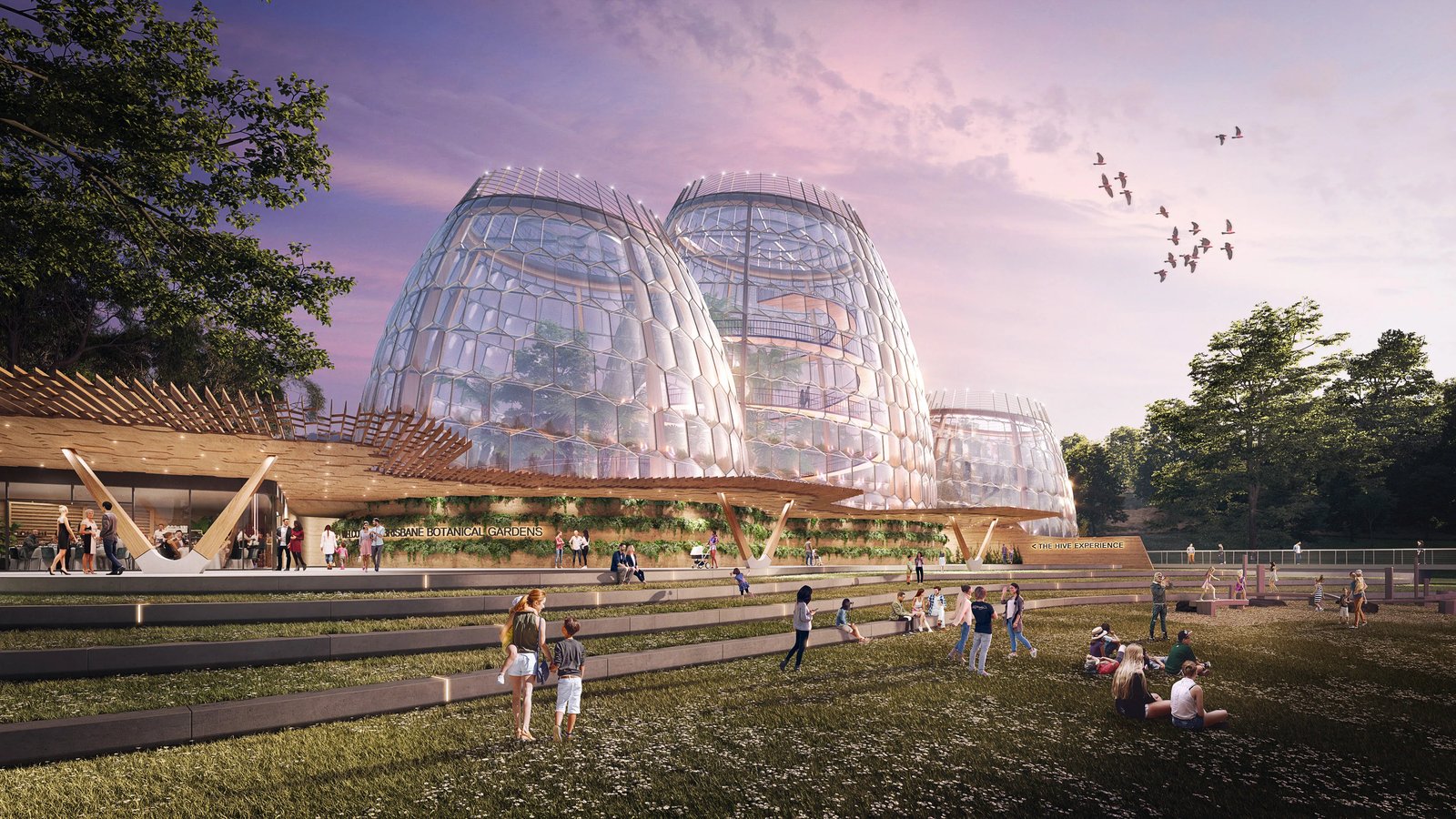
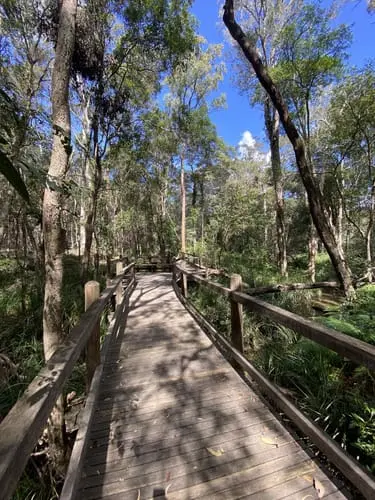
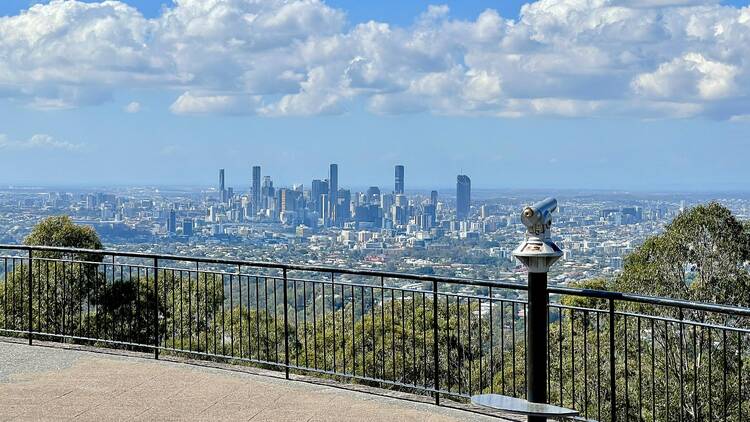
The Brisbane Botanic Gardens Mount Coot-tha is the premier subtropical botanic garden of Brisbane, Queensland, Australia. Located at the foot of Mount Coot-tha in Toowong, it is a major public attraction known for its extensive plant collections and scenic landscapes that showcase Queensland’s biodiversity.
📌 KEY FACTS (EXACT DOCUMENT REFERENCE)
Opened: 1976
Area: Approximately 56 hectares
Operator: Brisbane City Council
Address: Mt Coot-Tha Rd (at Ada St), Toowong QLD 4066
Notable feature: Sir Thomas Brisbane Planetarium on site
History and purpose
Established as a successor to the original Brisbane City Botanic Gardens, the Mount Coot-tha site was chosen for its higher, flood-free elevation. It was designed to house living plant collections in a setting conducive to conservation, education, and recreation. Over time, it has grown into an important center for botanical research and public engagement.
Gardens and collections
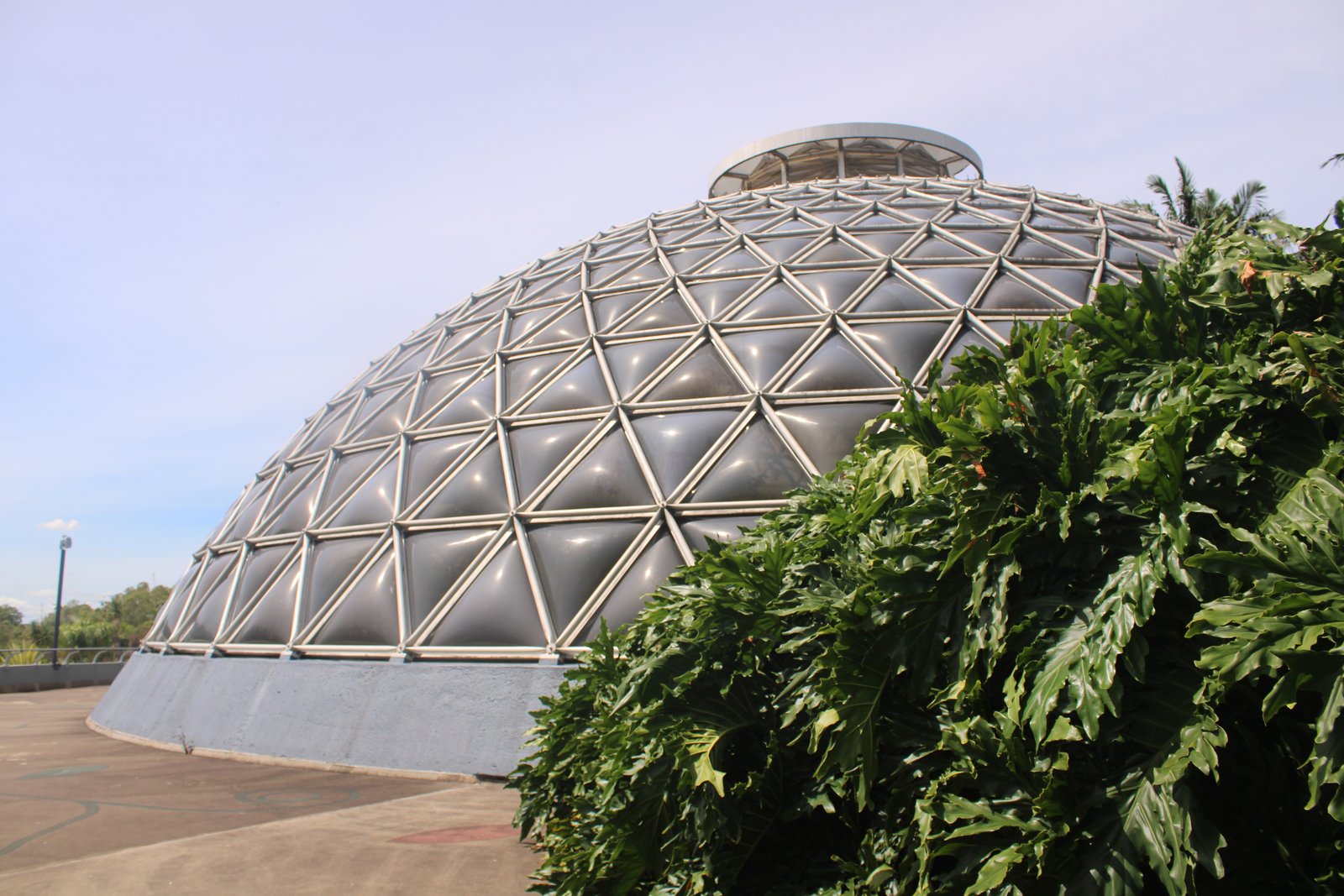
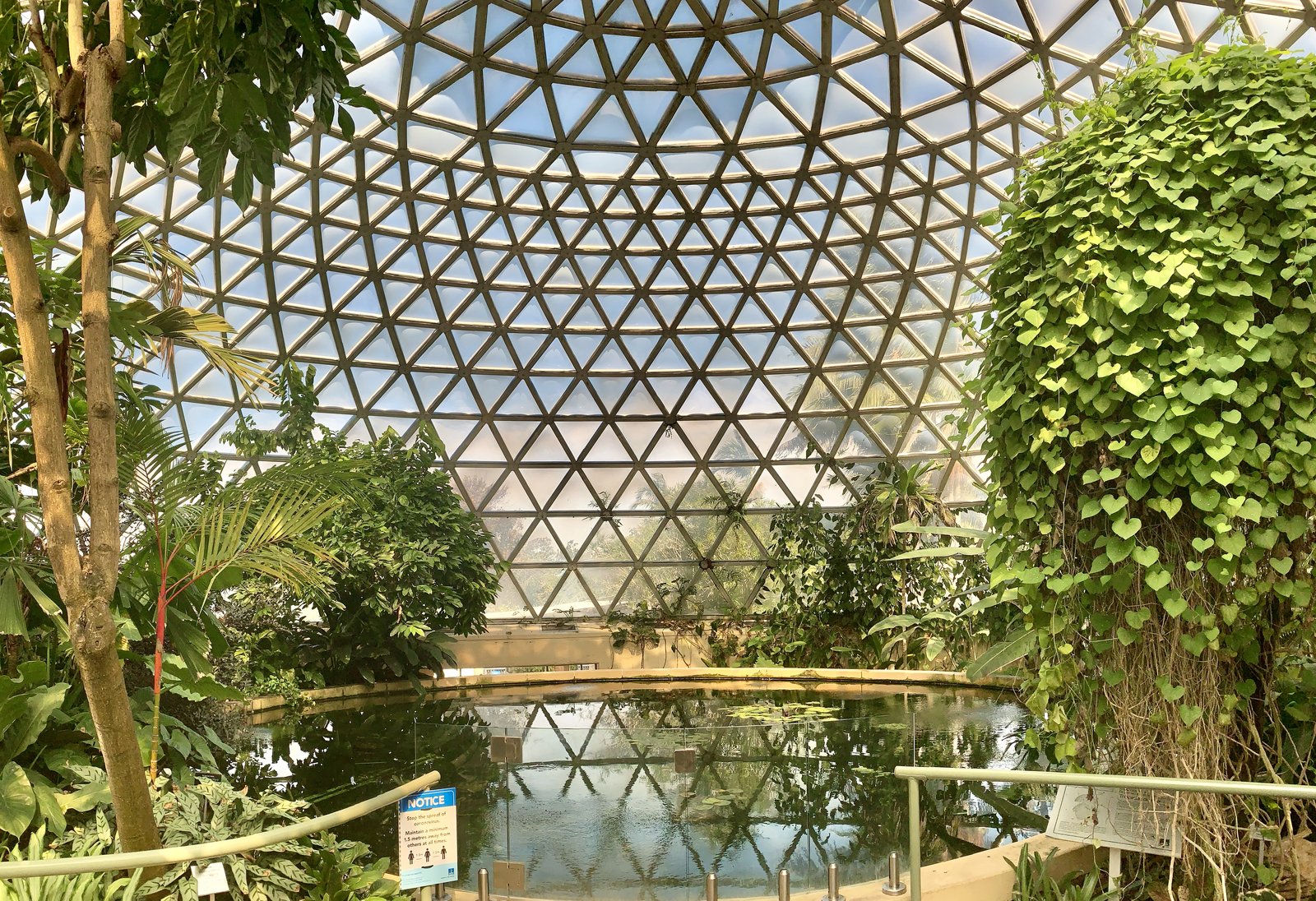
The gardens feature diverse thematic zones, including a Japanese Garden, Tropical Dome, Bamboo Grove, Arid Zone Garden, and Fern House. These spaces highlight regional flora alongside international species adapted to similar climates, creating both scientific and aesthetic appeal.
Education and visitor experience
The gardens serve as a hub for community education, offering guided walks, workshops, and school programs. Visitors can explore extensive walking trails, lakes, and picnic areas, or visit the Sir Thomas Brisbane Planetarium, located within the grounds, for astronomy exhibits and shows.
Significance
Brisbane Botanic Gardens Mount Coot-tha plays a central role in conserving plant diversity and fostering environmental awareness in Queensland. It is both a botanical resource and a major recreational space, integrating science, culture, and leisure for locals and tourists alike.
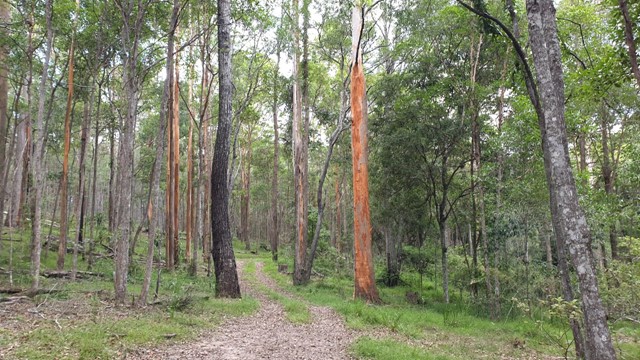
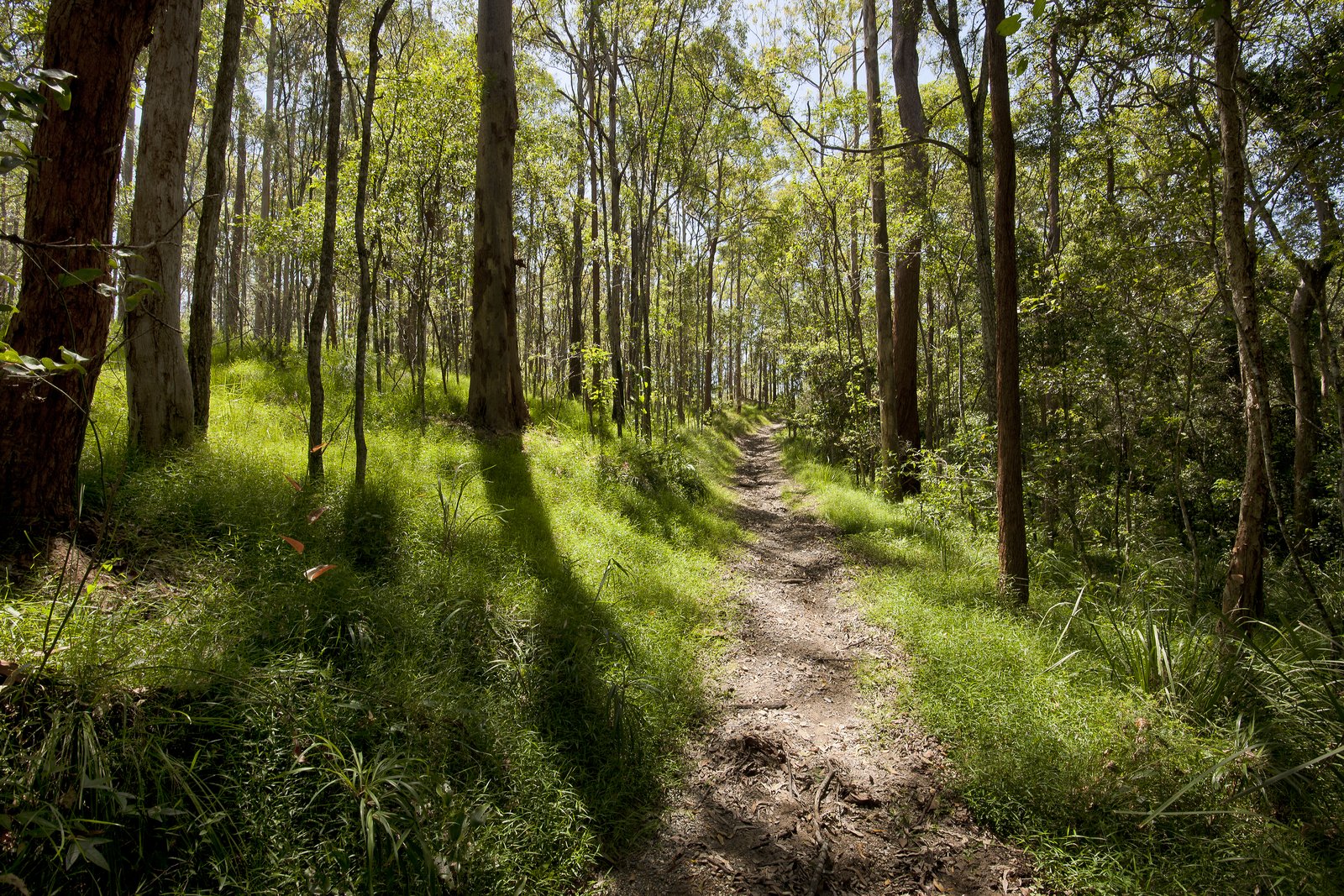
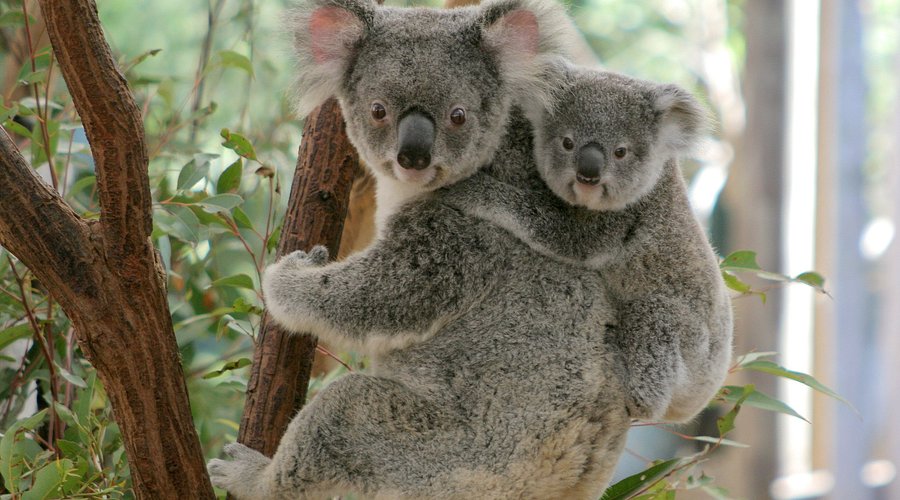
Brisbane Koala Bushlands is a large conservation reserve in Burbank, a semi-rural suburb of Brisbane, Queensland, Australia. The reserve protects critical eucalypt forest habitat for wild koalas and offers walking trails and picnic areas for visitors. It forms a key part of Brisbane’s regional biodiversity corridor network.
📌 KEY FACTS (EXACT DOCUMENT REFERENCE)
Address: 137 Alperton Road, Burbank QLD 4156, Australia
Area: Over 700 hectares
Managed by: Brisbane City Council
Primary habitat: Eucalypt woodland and dry sclerophyll forest
Main access point: Stockyard Creek day-use area
Environment and wildlife
The bushlands provide refuge for one of Brisbane’s largest koala populations, alongside native wildlife such as wallabies, possums, and over 70 bird species. The reserve’s varied terrain—ranging from open forest to riparian zones—supports high ecological diversity and contributes to regional habitat connectivity between the coast and the hinterland.
Recreation and facilities
Visitors can enjoy short to moderate walking circuits, including the Stockyard Creek walking track and Summit Track, both featuring scenic lookouts and interpretive signage. Facilities include picnic shelters, toilets, and parking areas. Dogs and bicycles are not permitted on walking tracks to protect wildlife and minimize disturbance.
Conservation significance
Brisbane Koala Bushlands was established in the 1990s through land acquisitions under the Brisbane City Council’s Bushland Acquisition Program. The reserve plays an essential role in koala conservation and connects to nearby protected areas such as Daisy Hill Conservation Park and Karawatha Forest Park, forming part of a broader wildlife corridor across South East Queensland.
Visitor information
The bushlands are open year-round, with entry free of charge. Visitors are encouraged to stay on marked tracks and observe koalas quietly from a distance. The area has limited facilities, so preparation with water, sun protection, and insect repellent is recommended.
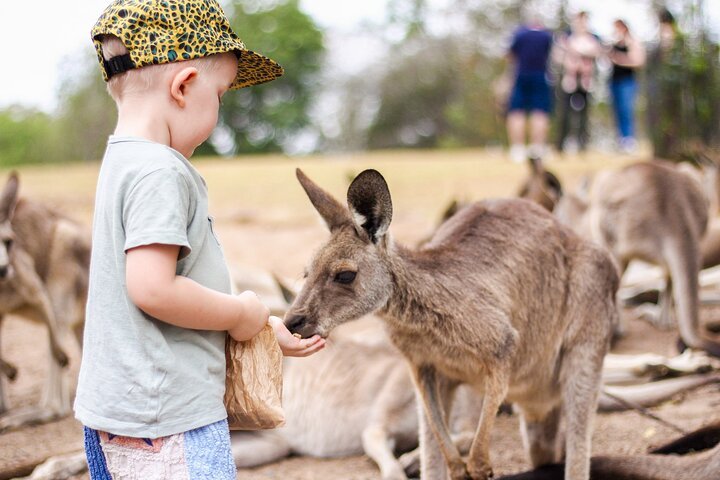
Lone Pine Koala Sanctuary is a renowned wildlife park located in Brisbane, Queensland, Australia. Established in 1927, it is recognized as the world’s first and largest koala sanctuary, dedicated to the conservation and care of native Australian wildlife. It offers visitors close encounters with koalas, kangaroos, and numerous other native species.
📌 KEY FACTS (EXACT DOCUMENT REFERENCE)
Founded: 1927
Address: 708 Jesmond Rd, Fig Tree Pocket QLD 4069, Australia
Focus: Australian native wildlife conservation and education
Notable feature: World’s first koala sanctuary
Visitors: Welcomes hundreds of thousands annually
History and Development
Founded by Claude Reid, Lone Pine began with just two koalas named Jack and Jill. Over the decades, it expanded its habitats and conservation programs, becoming a leader in wildlife care and environmental education. Its longevity has made it a symbol of Brisbane’s ecological heritage and a pioneer in koala protection.
Wildlife and Exhibits
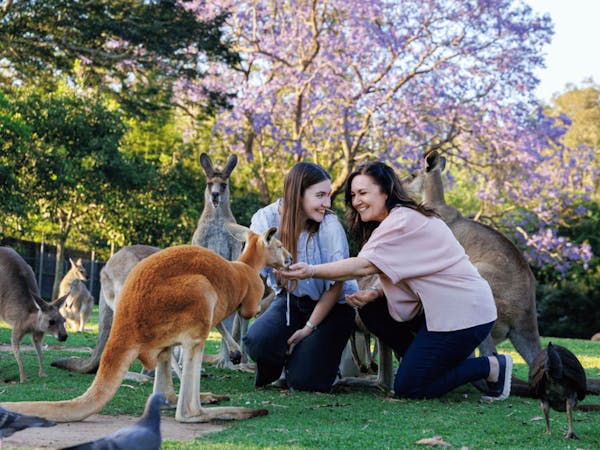
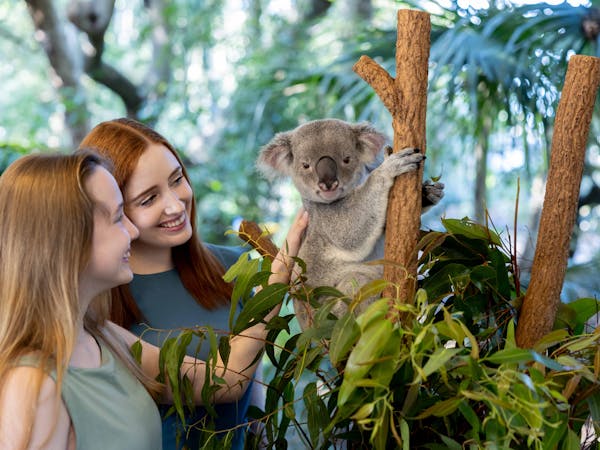
The sanctuary houses over 130 koalas and more than 70 other species, including kangaroos, wombats, echidnas, platypuses, and native birds. Visitors can hand-feed kangaroos, hold a koala under supervision, and observe interactive keeper talks that highlight species behavior and conservation challenges.
Conservation and Education
Lone Pine actively participates in breeding programs and wildlife research, particularly for koalas whose habitats face ongoing threats. It collaborates with universities and conservation groups to support sustainable ecosystems. Educational outreach and student programs foster community engagement and awareness of Australia’s biodiversity.
Tourism and Recognition
As one of Brisbane’s top tourist attractions, the sanctuary draws both domestic and international visitors. It has received numerous tourism and sustainability awards and is often featured in travel guides as a quintessential Australian wildlife experience. Its riverfront setting in Fig Tree Pocket adds to its appeal, combining natural beauty with conservation learning.
South Bank Parklands is a major riverside recreational precinct in Brisbane, Queensland, Australia. Stretching along the southern bank of the Brisbane River, it combines parkland, cultural venues, and leisure facilities, serving as one of the city’s most popular urban destinations for residents and visitors alike.
📌 KEY FACTS (EXACT DOCUMENT REFERENCE)
Location: Clem Jones Promenade, South Brisbane QLD 4101, Australia
Opened: 1992
Area: 17 hectares (42 acres)
Managed by: South Bank Corporation
Signature feature: Streets Beach, a man-made inner-city lagoon
History and development
The parklands occupy the site of the former World Expo 88, repurposed after the event to create a permanent public recreation area. Designed to reconnect Brisbane with its riverfront, the project transformed an industrial zone into a lively green space. Over time, it has evolved to include restaurants, markets, and public art, while retaining lush subtropical landscaping.
Layout and attractions
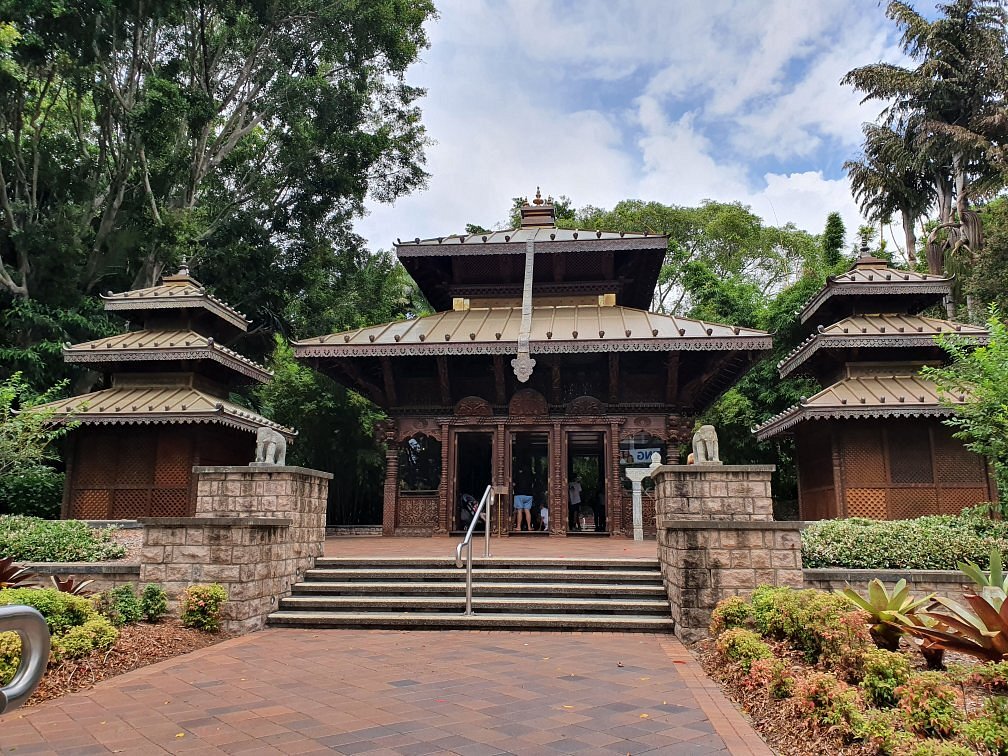
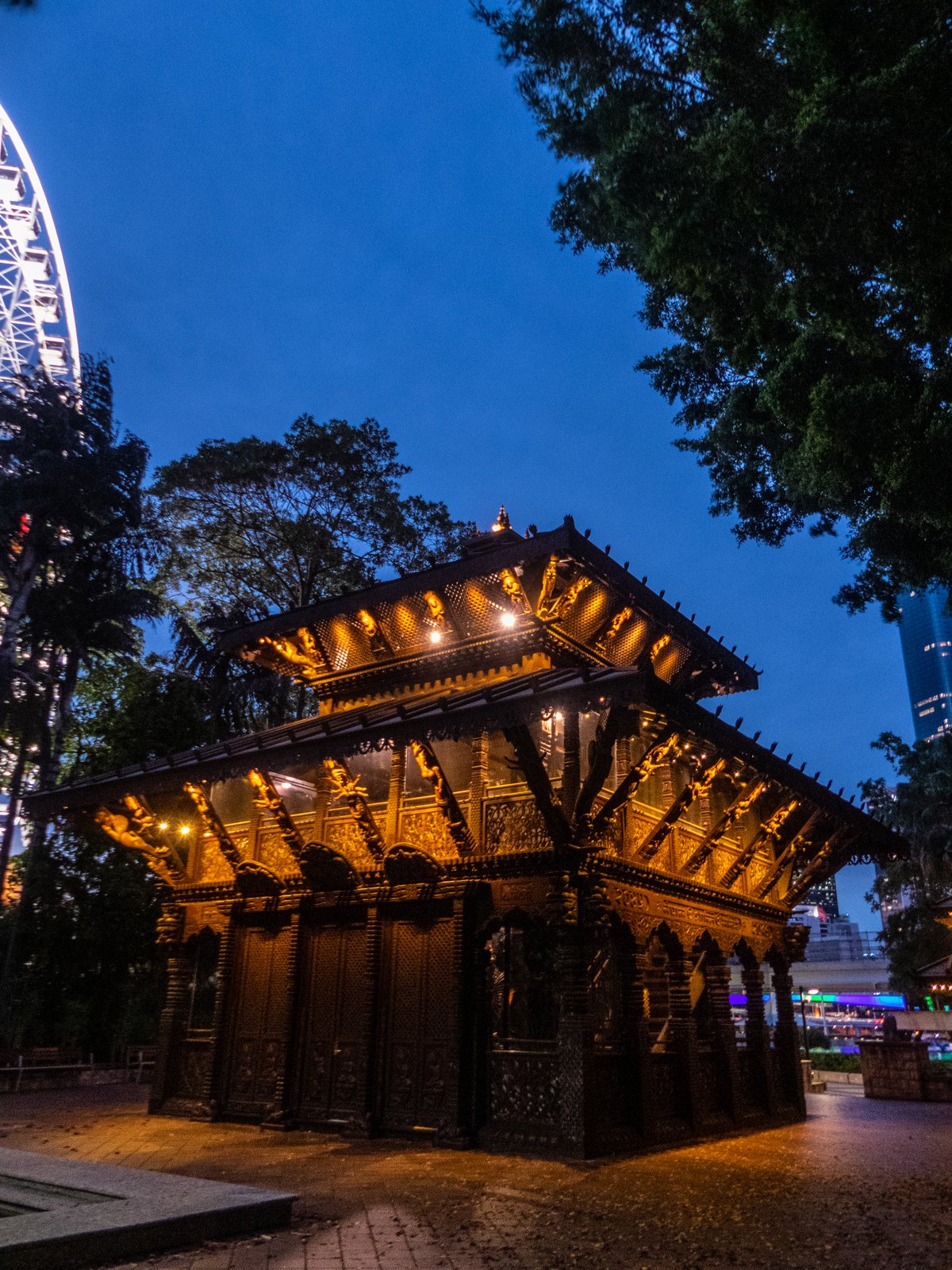
South Bank Parklands features themed gardens, picnic lawns, and pedestrian boulevards. Key attractions include Streets Beach, the Grand Arbour, the Nepal Peace Pagoda, the Rainforest Walk, and the River Quay dining precinct. The precinct integrates with neighboring institutions like the Queensland Performing Arts Centre and the Queensland Art Gallery | Gallery of Modern Art, forming part of Brisbane’s cultural heart.
Events and community role
The parklands host festivals, outdoor cinema screenings, and cultural events throughout the year, including New Year’s Eve fireworks and the Riverfire celebration. Its open spaces and promenade foster everyday leisure, exercise, and riverfront gatherings, symbolizing Brisbane’s subtropical outdoor lifestyle.
Accessibility and sustainability
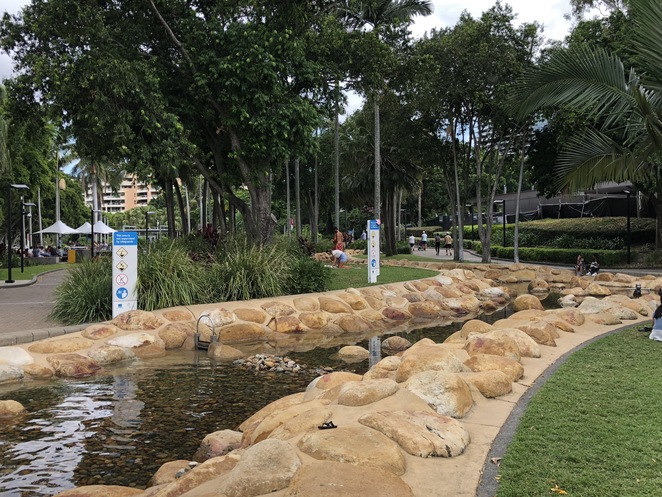
Easily accessible via ferry, train, and walking paths, South Bank Parklands promotes pedestrian-friendly design and sustainability. Native plantings, shade structures, and integrated water features help moderate the climate while enhancing the ecological value of this urban oasis.
Rocks Riverside Park is a large public park located on the south bank of the Brisbane River in Seventeen Mile Rocks, a suburb of Brisbane, Queensland, Australia. It is one of Brisbane’s premier riverside parks, known for its extensive recreational facilities, gardens, and preserved industrial heritage.
📌 KEY FACTS (EXACT DOCUMENT REFERENCE)
Address: Counihan Rd, Seventeen Mile Rocks QLD 4073, Australia
Opened: 2003
Size: Approximately 26 hectares
Managed by: Brisbane City Council
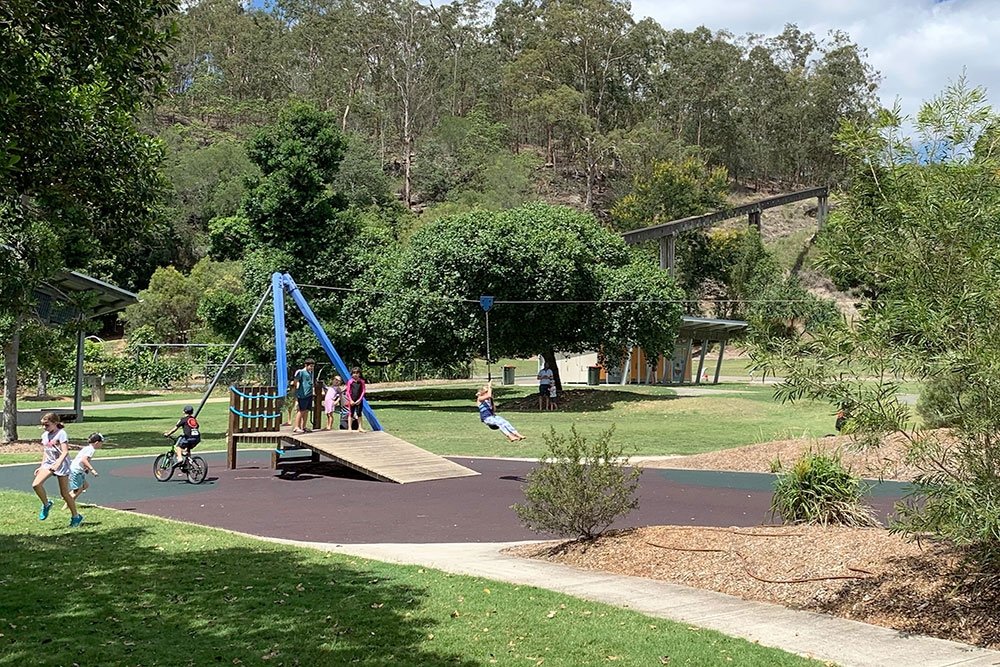
Main features: Adventure playground, water play area, walking/cycling paths, picnic areas
History and setting
The park occupies the site of a former industrial quarry and concrete plant, redeveloped to restore natural landscapes while retaining historical elements such as silos and conveyor structures. Its location along the Brisbane River provides scenic views and ecological restoration zones that showcase native riparian vegetation.
Features and recreation
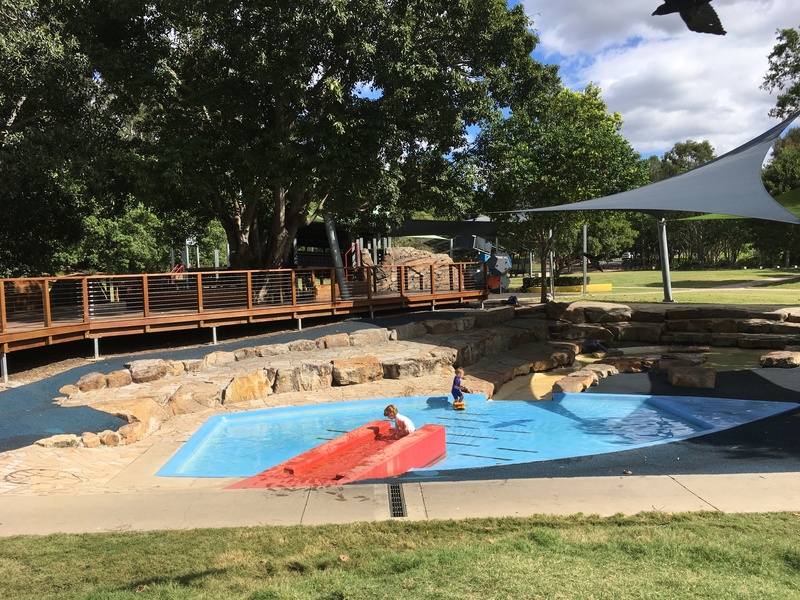
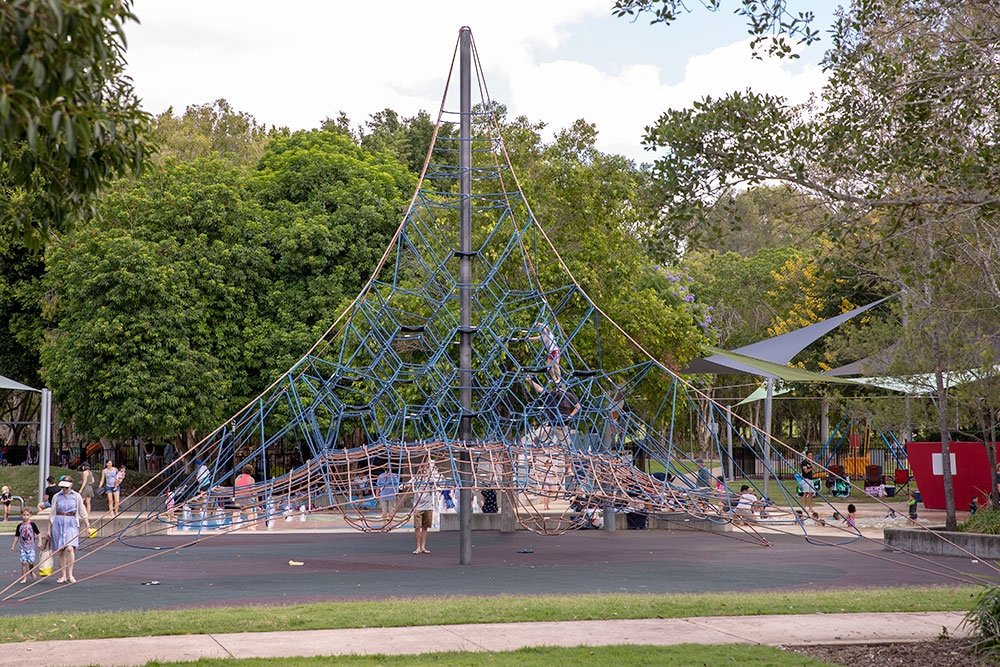
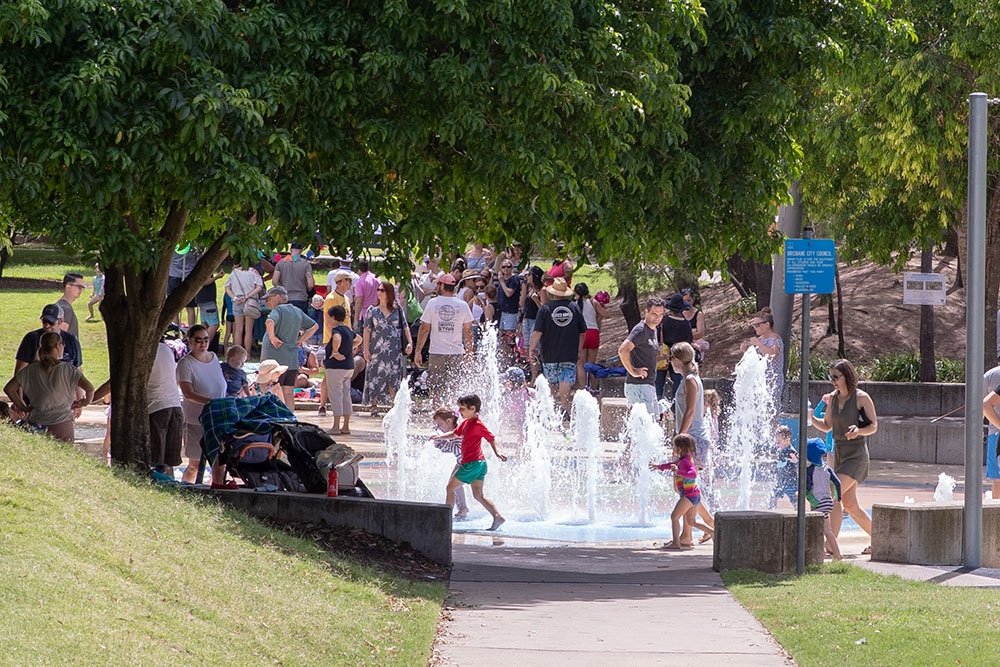
Rocks Riverside Park offers diverse recreational spaces, including wide open lawns, shaded picnic shelters, electric barbecues, and community gardens. A highlight is its large adventure playground with climbing structures and a popular water play zone designed for families. The park’s extensive network of shared paths connects to regional trails suitable for cycling, walking, and running.
Ecology and design
The park’s landscape design integrates reclaimed industrial materials with native plantings, promoting sustainable urban ecology. Wetlands and habitat areas support local wildlife, including waterbirds and small mammals. Interpretive signage throughout the park highlights both its natural environment and its industrial past.
Community use
The park hosts frequent community events, outdoor fitness sessions, and family gatherings. Its accessible facilities, ample parking, and riverfront location make it a valued recreational destination within the western suburbs of Brisbane and a model for urban parkland redevelopment in Australia.
🏖️ Sub-Folder: Beach & Water Activities (1 Destination)
🏖️ Beach & Water Activities
NDIS SUPPORTED 1:1 & GROUP
Streets Beach South Bank
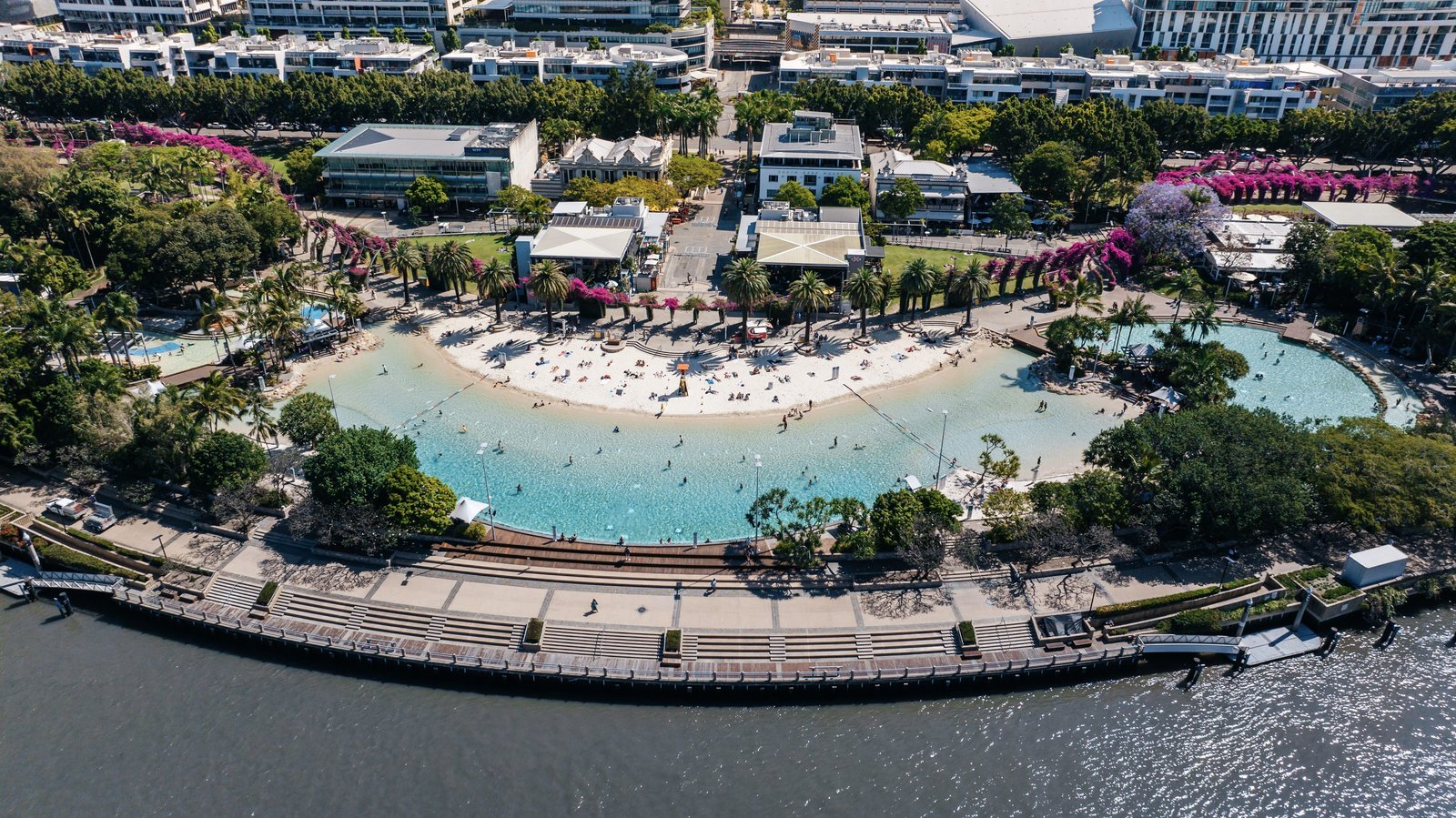
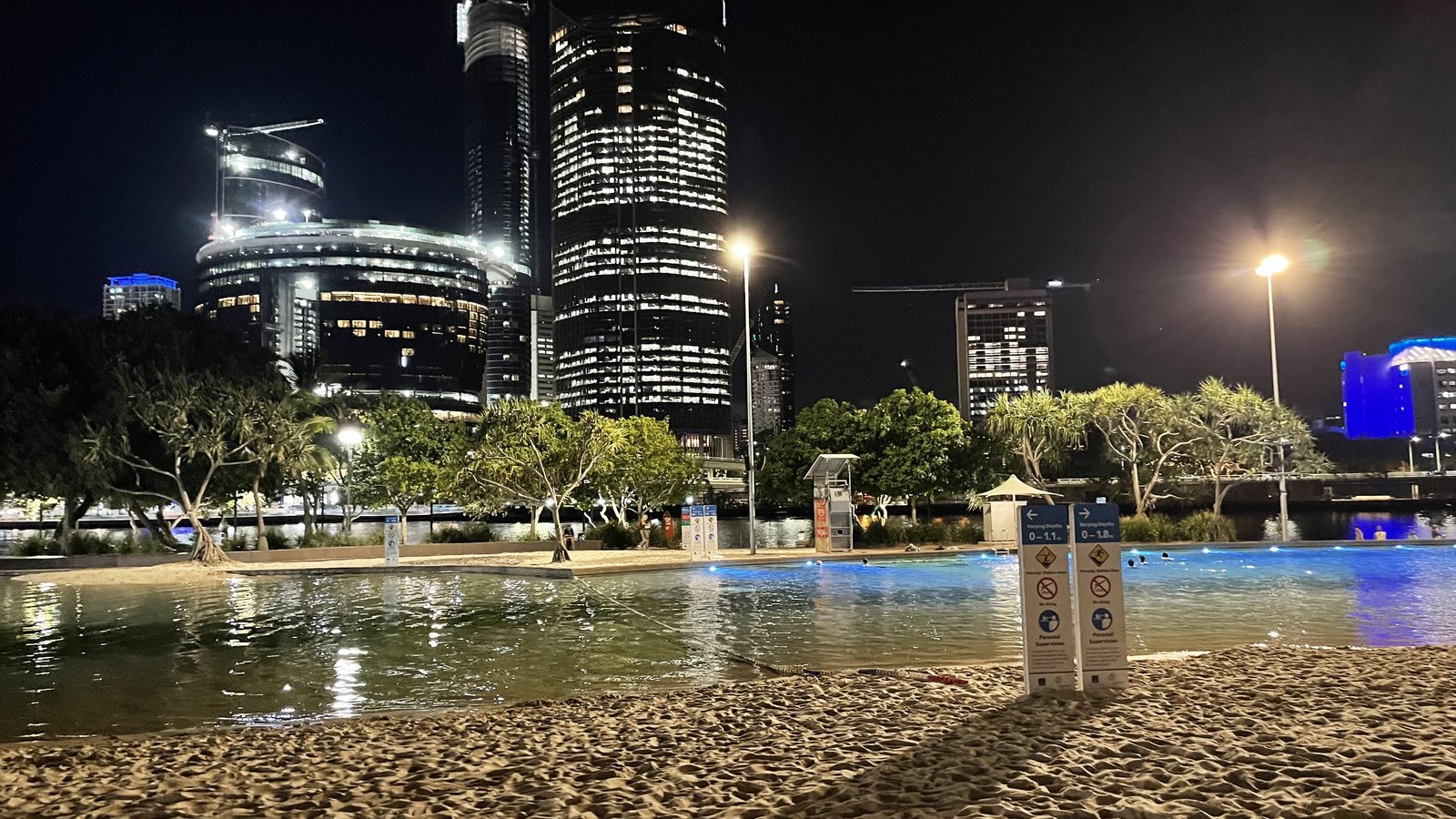
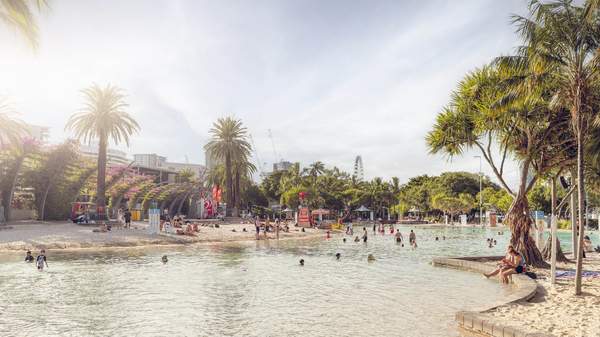
Streets Beach at South Bank is a man-made urban beach and lagoon located in the South Bank Parklands precinct of Brisbane, Queensland, Australia. It serves as a popular recreational landmark, offering a subtropical swimming experience against the backdrop of the Brisbane city skyline.
📌 KEY FACTS (EXACT DOCUMENT REFERENCE)
Address: Stanley St Plaza, South Brisbane QLD 4101, Australia
Opened: 1992 (as part of South Bank Parklands redevelopment)
Managed by: South Bank Corporation
Type: Man-made beach and lagoon
Access: Free public entry year-round
Design and Feature
Streets Beach consists of a central lagoon filled with chlorinated, filtered freshwater, bordered by white sand and tropical landscaping. The area includes shaded lawns, picnic spots, and lifeguard supervision. Its design blends coastal and urban elements, creating an inland beach atmosphere within a riverside cultural precinct.
History and Development
The beach was constructed following the 1988 World Expo, which spurred redevelopment of the former expo site into South Bank Parklands. It was named “Streets Beach” after an ongoing sponsorship by the Australian ice cream brand Streets. Over the years, the site has been upgraded with new filtration systems, landscaping, and accessibility improvements.
Cultural and Recreational Role
Streets Beach is one of Brisbane’s most recognizable public spaces, attracting locals and tourists alike. It hosts community events, provides year-round swimming, and connects to nearby attractions such as the Queensland Performing Arts Centre and the Wheel of Brisbane. The site symbolizes Brisbane’s outdoor lifestyle and subtropical identity.
Access and Surroundings
Located opposite the Brisbane CBD across the Brisbane River, the beach is accessible via public transport, pedestrian bridges, and riverside pathways. Nearby dining, parklands, and cultural venues make it a central hub in the city’s leisure and tourism network.
Discover Brisbane’s top educational, artistic, scientific, and interactive problem-solving destinations, fully supported rain or shine.
🎨 Creative & Art Activities (6 Destinations)
🎨 Sub-Folder: Creative & Art Activities (6 Destinations)
🎨 Creative & Art Activities
NDIS SUPPORTED 1:1 & GROUP
Sir Thomas Brisbane Planetarium
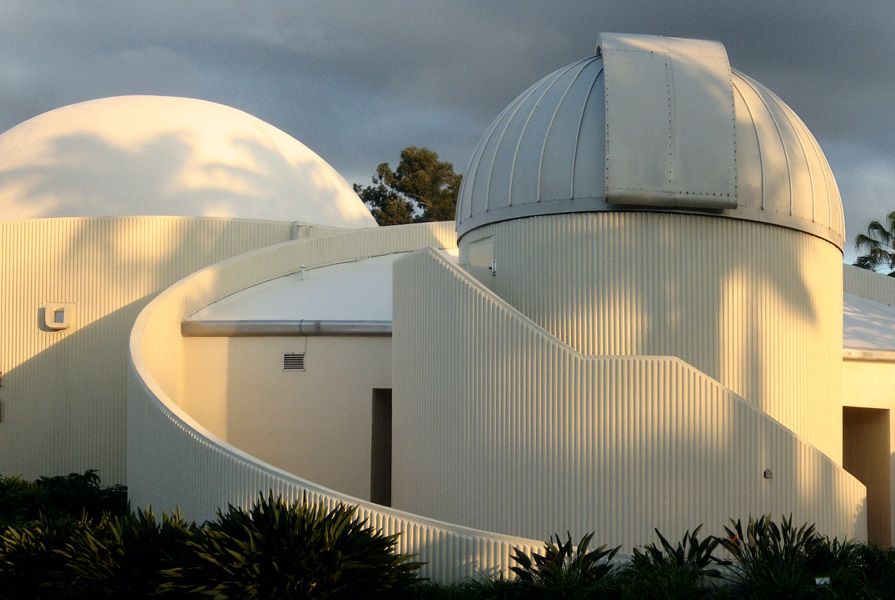
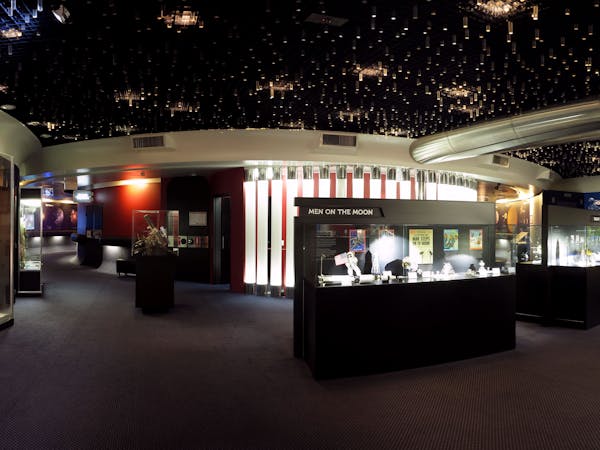
The Sir Thomas Brisbane Planetarium is a public astronomical facility located within the Brisbane Botanic Gardens at Mount Coot-tha, Queensland, Australia. Established by the Brisbane City Council, it serves as a major center for astronomy education and outreach in the region.
📌 KEY FACTS (EXACT DOCUMENT REFERENCE)
Opened: 1978
Named for: Sir Thomas Brisbane, astronomer and former governor of New South Wales
Main feature: 12.5 m Cosmic Skydome projection dome
Operator: Brisbane City Council
Address: Mount Coot-Tha Rd, Mount Coot-tha QLD 4066, Australia
History and Purpose
Named after Sir Thomas Brisbane (1773–1860), a Scottish-born astronomer and colonial administrator, the planetarium was opened in 1978 to promote scientific learning and public engagement with astronomy. It honors Brisbane’s contribution to southern hemisphere star cataloging in the early 19th century. The facility remains a key component of the city’s cultural and educational infrastructure.
Facilities and Exhibits
The centerpiece is the Cosmic Skydome, a large hemispherical theater that uses advanced digital projection to simulate the night sky and astronomical phenomena. Other sections include the Foyer Display Area with artifacts such as a fragment of a meteorite, models of spacecraft, and an exhibit honoring astronaut Neil Armstrong. The Mini Theatre shows short educational films, and a small observatory provides telescope viewing sessions on selected nights.
Educational and Public Programs
The planetarium hosts public shows, school group sessions, and special astronomy events year-round. Presentations cover topics from space exploration to Indigenous Australian sky stories. Programs are updated to reflect current astronomical discoveries and celestial events, fostering community interest in science and space.
Location and Visitor Experience
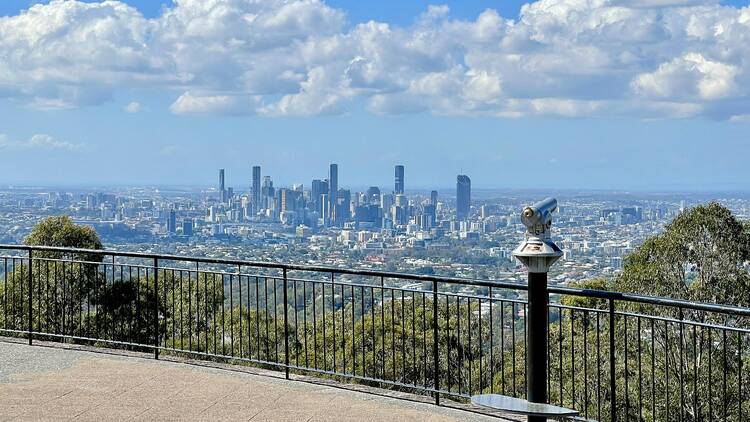
Situated beside the Brisbane Botanic Gardens on Mount Coot-tha, the planetarium offers visitors a combination of natural beauty and scientific learning. Admission to the exhibit areas is free, with a ticket fee for dome shows. Its proximity to Mount Coot-tha Lookout makes it a popular inclusion in Brisbane tourism itineraries.
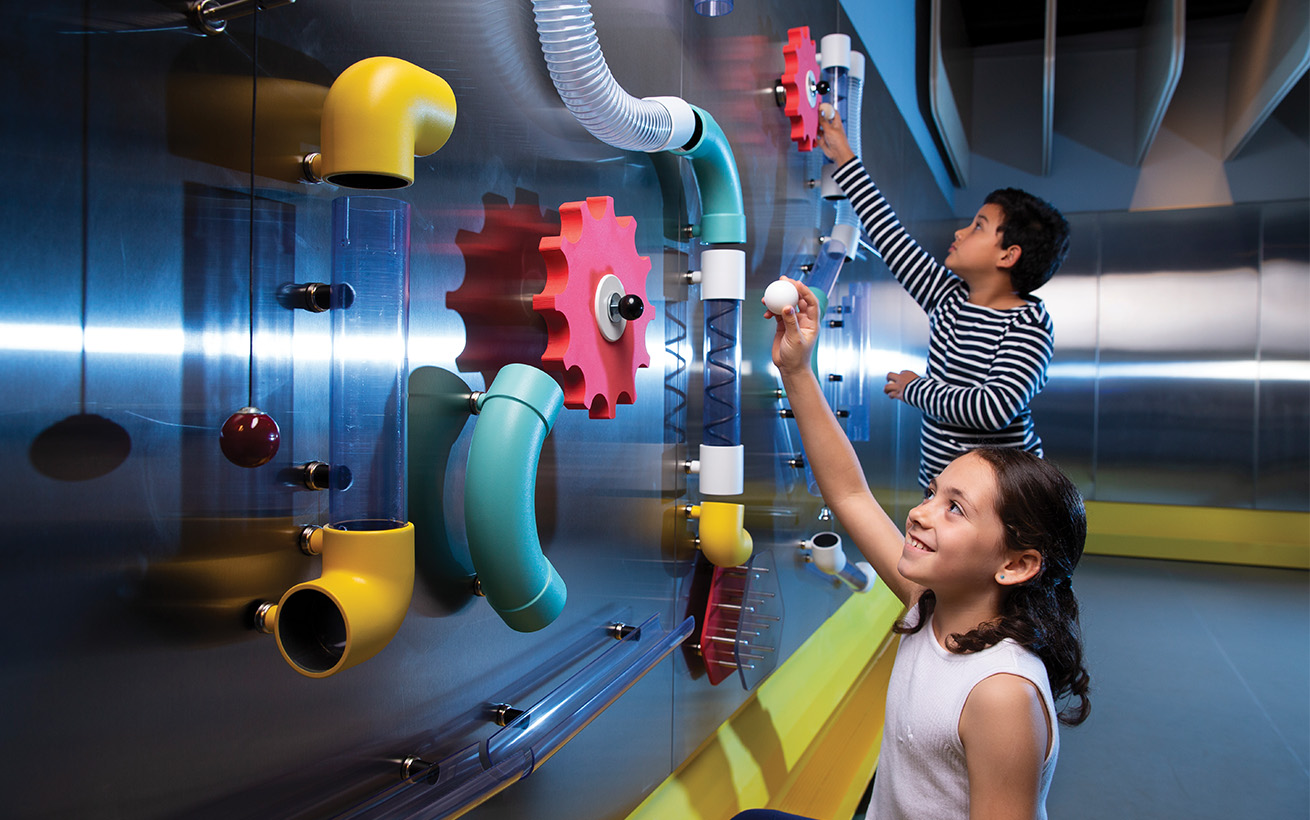
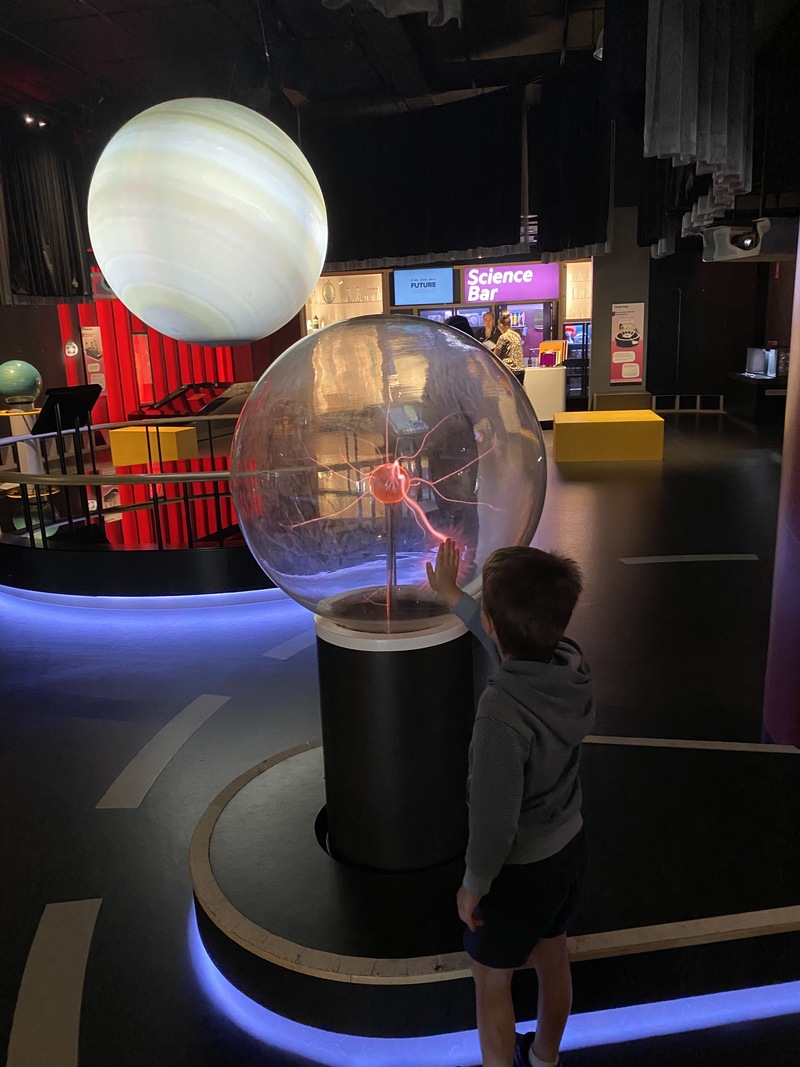
SparkLab Science Centre is an interactive science exhibition space located within the Queensland Museum in South Brisbane, Queensland, Australia. It offers hands-on learning experiences focused on science, technology, engineering, and mathematics (STEM) for children, families, and school groups.
📌 KEY FACTS (EXACT DOCUMENT REFERENCE)
Address: Grey Street & Melbourne St, South Brisbane QLD 4101, Australia
Operated by: Queensland Museum Network
Opened: 2018 (as SparkLab, successor to Sciencentre)
Focus: Interactive STEM education and experimentation
Location: Brisbane
History and concept
SparkLab opened in 2018 as the successor to the Sciencentre, which had been a key part of the Queensland Museum since 1986. The redesign aimed to modernize exhibits and encourage discovery-based learning aligned with contemporary science education. The center’s name evokes curiosity and creativity—“sparking” ideas through experimentation.
Exhibits and visitor experience
The center features more than 40 interactive exhibits divided into themed zones such as “Wonder,” “How Does It Work?,” and “Science Bar.” Each zone invites visitors to explore natural phenomena, physical principles, and engineering challenges. Demonstrations and staff-led experiments complement the self-guided activities, encouraging active participation and observation.
Educational role and community impact
SparkLab serves as a major informal learning environment supporting Queensland’s school curriculum. It hosts educational programs, workshops, and teacher resources designed to extend classroom learning. By promoting inquiry-based engagement, the center fosters scientific literacy and inspires future interest in STEM careers among young visitors.
Location and access
Located in Brisbane’s cultural precinct at South Bank, SparkLab shares the Queensland Museum building with galleries and heritage collections. The site is easily accessible by public transport via the South Brisbane train station and nearby bus and ferry terminals.
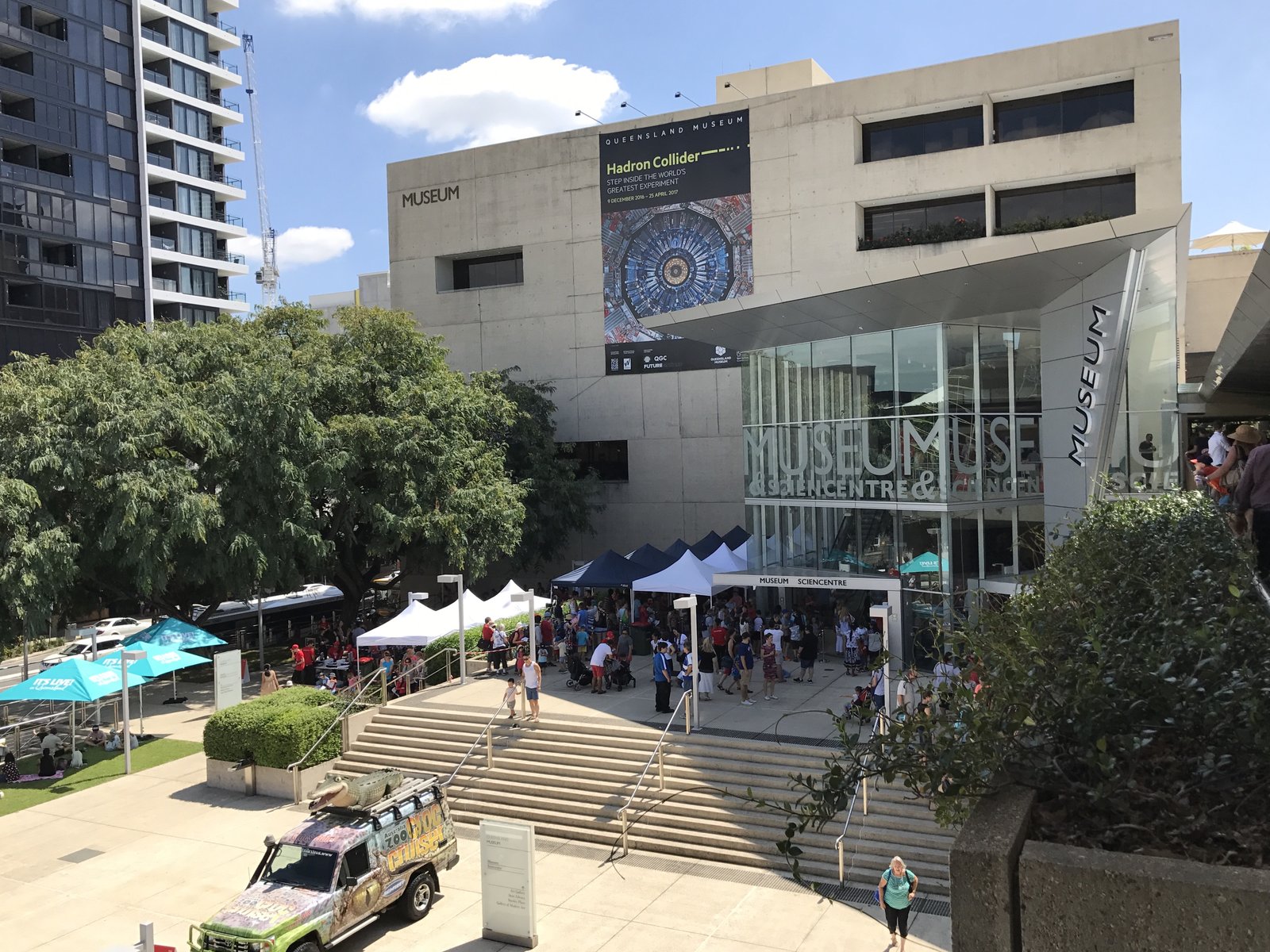
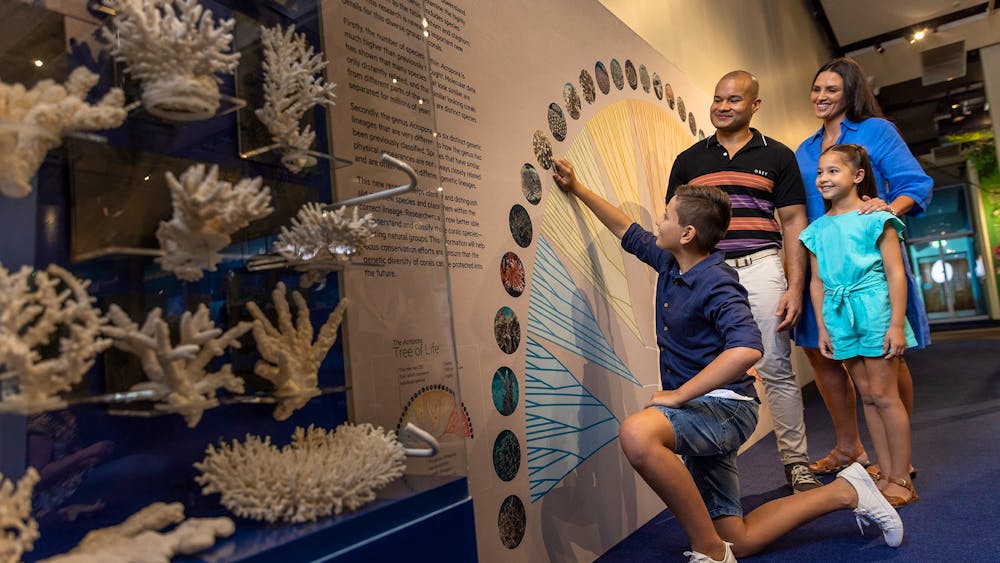
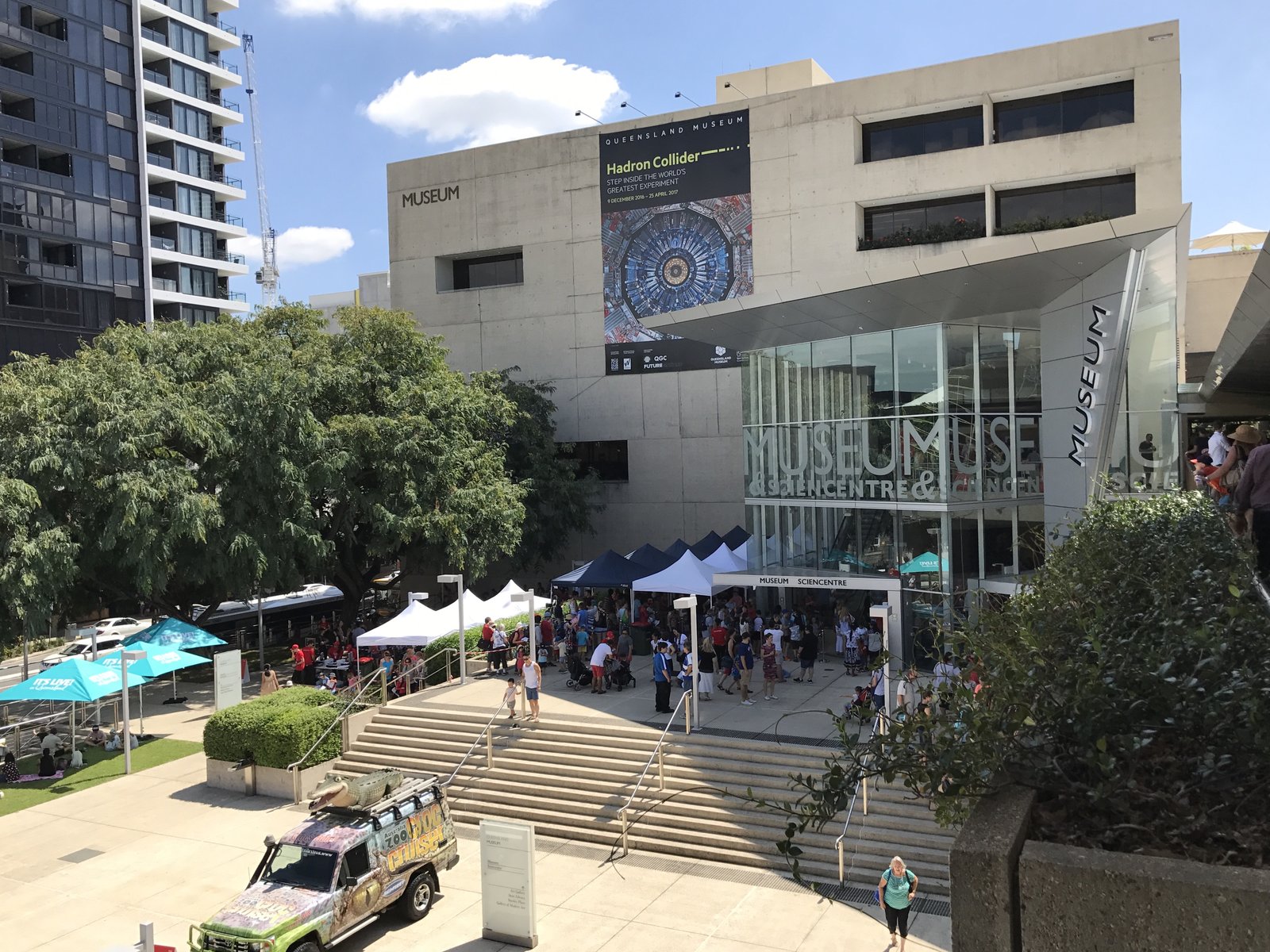
The Queensland Museum Kurilpa is the flagship campus of the Queensland Museum Network, located in South Brisbane, Queensland, Australia. It serves as the state’s leading institution for natural history, cultural heritage, and science education, attracting millions of visitors annually to explore Queensland’s biodiversity and human stories.
📌 KEY FACTS (EXACT DOCUMENT REFERENCE)
Opened: 1986 (at South Bank location)
Operator: Queensland Museum Network
Address: Corner of Grey and Melbourne Streets, South Brisbane QLD 4101, Australia
Collection size: Over 1.2 million objects and specimens
Entry: General admission free (special exhibitions ticketed)
History and development
The museum traces its origins to 1862 and moved to its current South Bank site in 1986. The building, designed by architect Robin Gibson, was renamed “Queensland Museum Kurilpa” in 2016 to honor the local Turrbal and Yuggera name for the nearby area, meaning “place of the water rat.” The site integrates with Brisbane’s Cultural Centre precinct alongside the State Library and the Queensland Art Gallery.
Exhibitions and collections
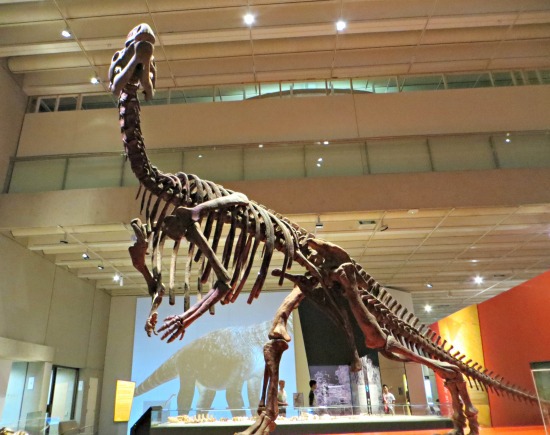
Queensland Museum Kurilpa features permanent displays such as the Discovery Centre, Sciencentre, Lost Creatures (prehistoric Queensland), and Anzac Legacy Gallery. Its collections span natural sciences, social history, and Indigenous cultures, emphasizing Queensland’s unique ecosystems and diverse communities. Temporary exhibitions often feature international touring shows and contemporary science experiences.
Educational and cultural role
The museum operates as a hub for science communication and cultural engagement in Queensland. It supports regional museums across the state, delivers public programs, and provides research in paleontology, biodiversity, and anthropology. Its initiatives aim to make Queensland’s heritage accessible to all audiences.
Architecture and setting
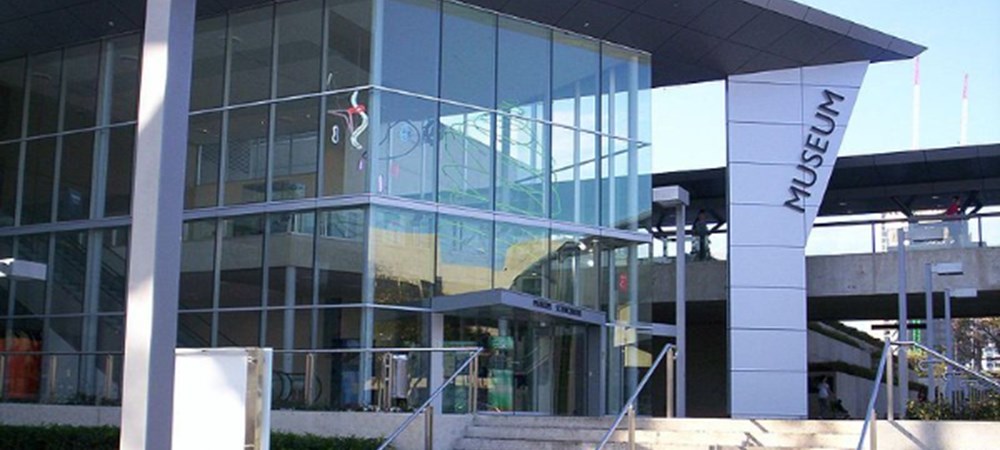
The brutalist-style complex overlooks the Brisbane River within the South Bank cultural precinct. Its open terraces and public spaces connect the museum to nearby attractions such as the Queensland Performing Arts Centre and the South Bank Parklands, reinforcing its role as a central landmark in Brisbane’s cultural landscape.
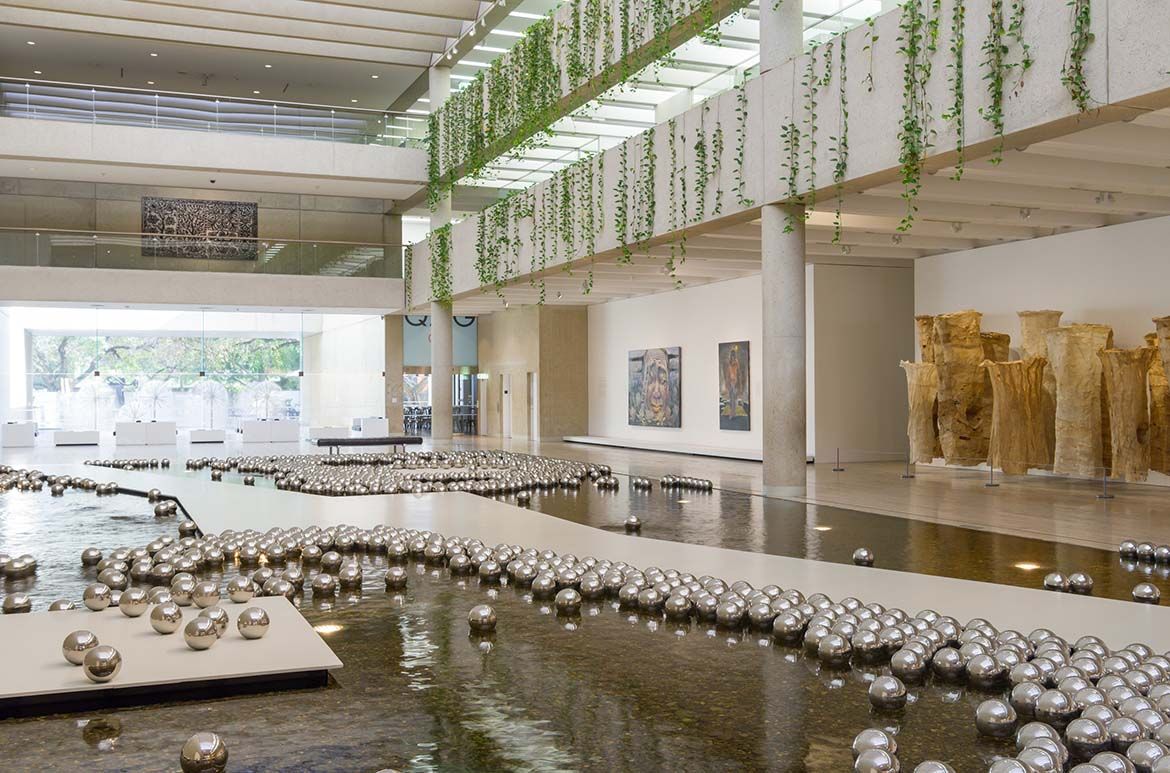
The Queensland Art Gallery (QAG) is a major public art museum located in Brisbane, Queensland, Australia. Situated within the Queensland Cultural Centre at South Bank, it is part of the state’s principal visual arts institution, the Queensland Art Gallery | Gallery of Modern Art (QAGOMA). The gallery is recognized for its diverse collection and innovative exhibitions highlighting Australian, Asian, and Pacific art.
📌 KEY FACTS (EXACT DOCUMENT REFERENCE)
Opened: 1895 (current South Bank site opened 1982)
Architect: Robin Gibson & Partners
Address: Stanley Pl, South Brisbane QLD 4101, Australia
Parent institution: Queensland Art Gallery | Gallery of Modern Art (QAGOMA)
Collection size: Over 20,000 works
History and development
The Queensland Art Gallery originated in 1895 and has occupied several locations before moving to its purpose-built home in South Bank in 1982. The award-winning modernist building, designed by Robin Gibson, became a centerpiece of Brisbane’s cultural redevelopment. It later expanded with the adjacent Gallery of Modern Art (GOMA) in 2006, together forming QAGOMA.
Collections and exhibitions
QAG’s collection spans Australian art from colonial to contemporary periods, significant Indigenous works, and extensive holdings of Asian and Pacific art. The gallery also curates international touring exhibitions and thematic displays that engage with regional identity, environmental concerns, and cross-cultural dialogues.
Architecture and design
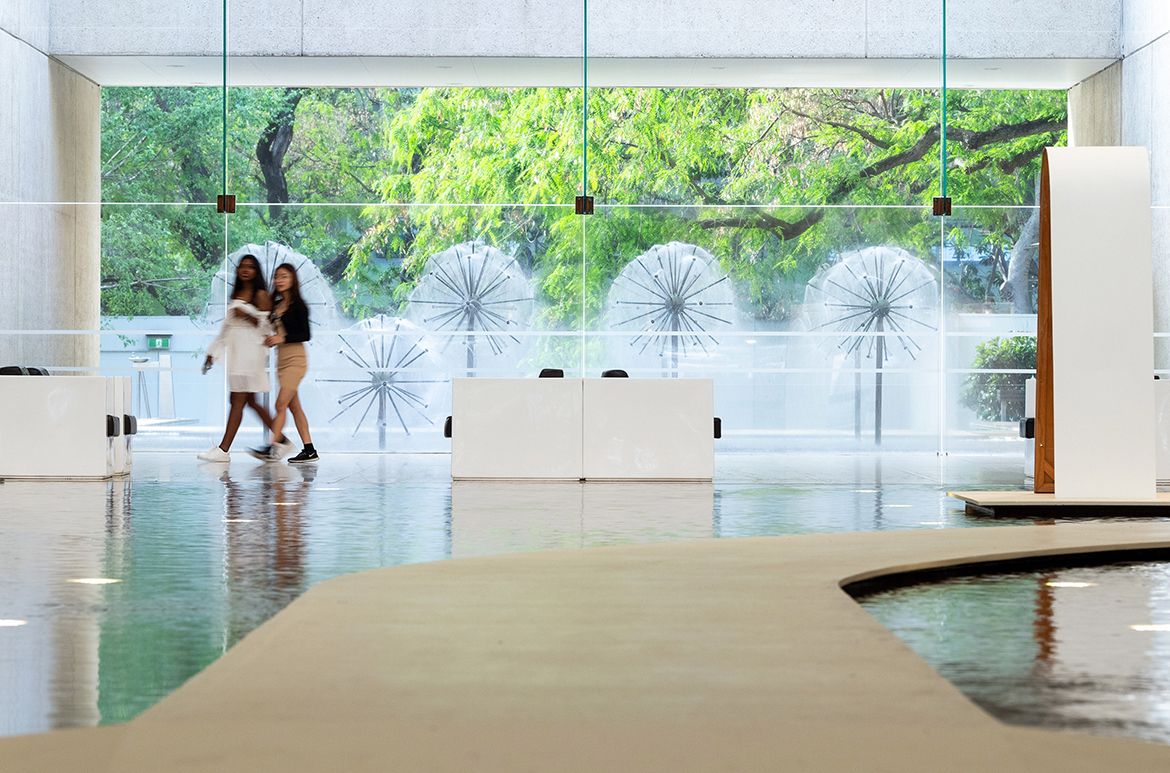
Designed in a restrained modernist style, the building emphasizes light, water, and open space. The Watermall—a central reflecting pool flanked by sculptures—is a defining architectural and sensory feature, integrating art with the subtropical landscape.
Role and impact
As part of QAGOMA, the Queensland Art Gallery plays a key role in promoting visual culture in Queensland and the broader Asia-Pacific region. It serves as an educational and cultural hub, hosting lectures, workshops, and community events that contribute to Brisbane’s reputation as a vibrant arts city.
The Museum of Brisbane is a civic museum dedicated to exploring the history, people, and evolving culture of Brisbane, Queensland, Australia. Located within the heritage-listed Brisbane City Hall, it connects residents and visitors with the city’s stories through exhibitions, collections, and community programs.
📌 KEY FACTS (EXACT DOCUMENT REFERENCE)
Opened: 2003 (relaunched 2013 in current location)
Address: Level 3, Brisbane City Hall, 64 Adelaide St, Brisbane City QLD 4000
Director: Zanny Begg (as of 2023)
Focus: Brisbane’s art, design, and social history
Admission: Free entry
History and establishment
First opened in 2003, the museum was founded to showcase Brisbane’s urban identity and civic heritage. After a temporary closure during the restoration of City Hall, it reopened in 2013 with expanded galleries and updated interpretive displays. Its location on the top floor of City Hall emphasizes its role as both a cultural institution and a municipal space.
Exhibitions and collections
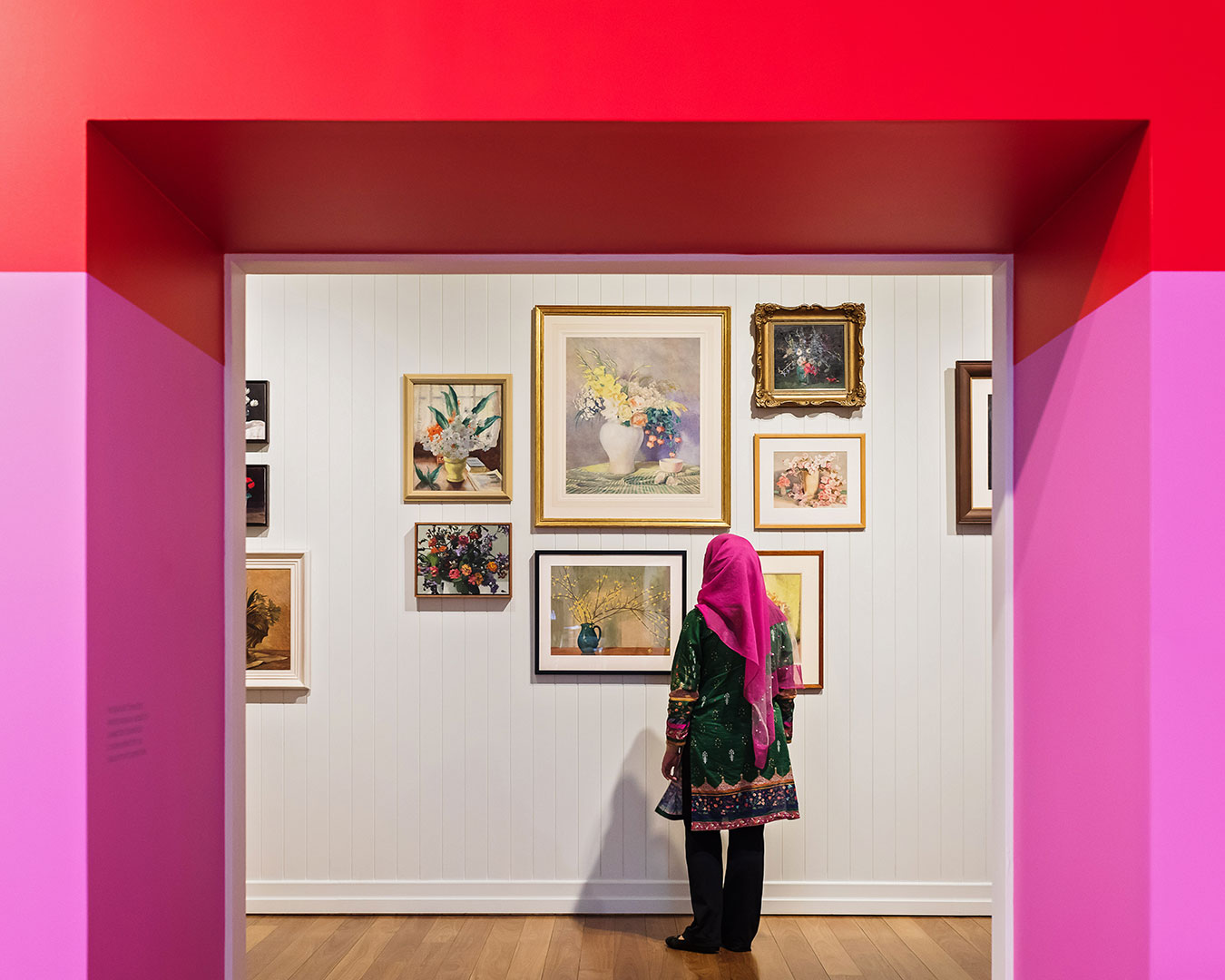
The Museum of Brisbane curates exhibitions that explore contemporary life, local art, and historical narratives. Themes often include city development, architecture, and First Nations perspectives. The museum also maintains a growing art collection highlighting Brisbane-based artists and designers.
Public engagement and education
The museum offers guided tours, artist talks, and educational workshops for schools and community groups. It operates as an accessible cultural hub, fostering civic pride and engagement with Brisbane’s past, present, and future. Visitors can also access the adjacent clock tower for panoramic city views.
Cultural significance
As Brisbane’s primary city museum, it contributes to the broader understanding of urban identity in Queensland. Its integration of art, design, and social history helps position Brisbane as a creative and historically aware city within Australia’s cultural landscape.
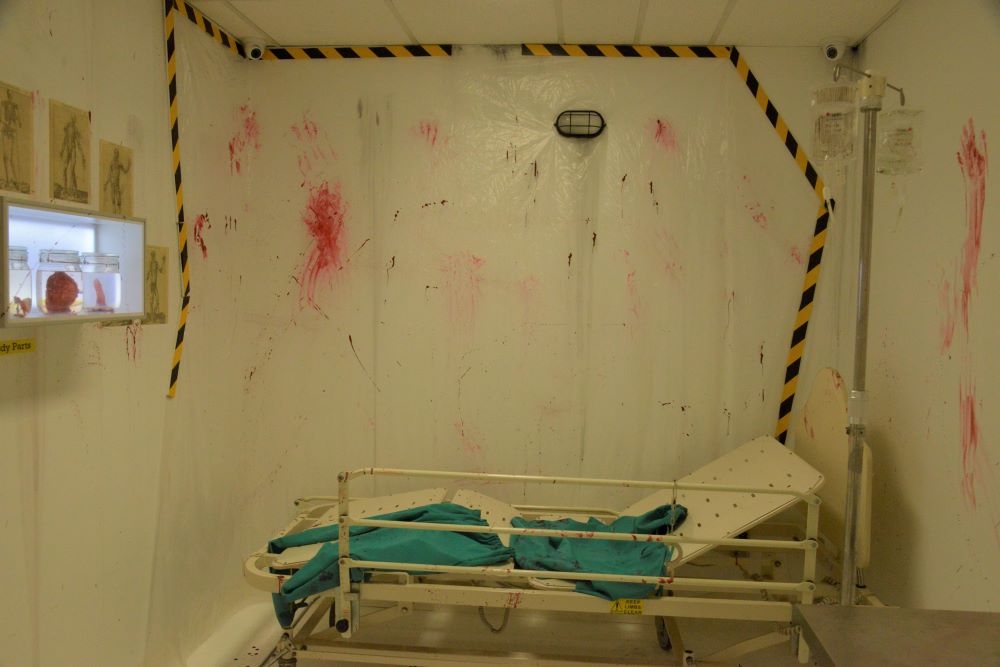
Fox in a Box Escape Room Brisbane is a live, indoor escape-room venue located at 1/150 Edward St, Brisbane QLD 4000, Australia. It offers themed, puzzle-based experiences where small groups solve clues and complete missions within a set time limit, popular for social outings and corporate team-building.
📌 KEY FACTS (EXACT DOCUMENT REFERENCE)
Type: Indoor escape room and entertainment venue
Address: 1/150 Edward St, Brisbane QLD 4000, Australia
Neighborhood: Brisbane CBD, Brisbane, Queensland, Australia
Notable for: Large variety of rooms and strong player reviews
Experiences and themes
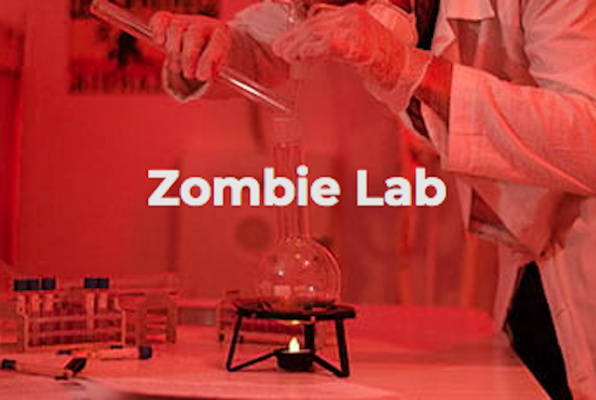
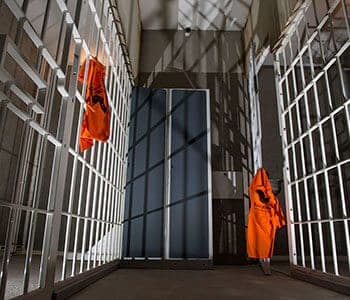
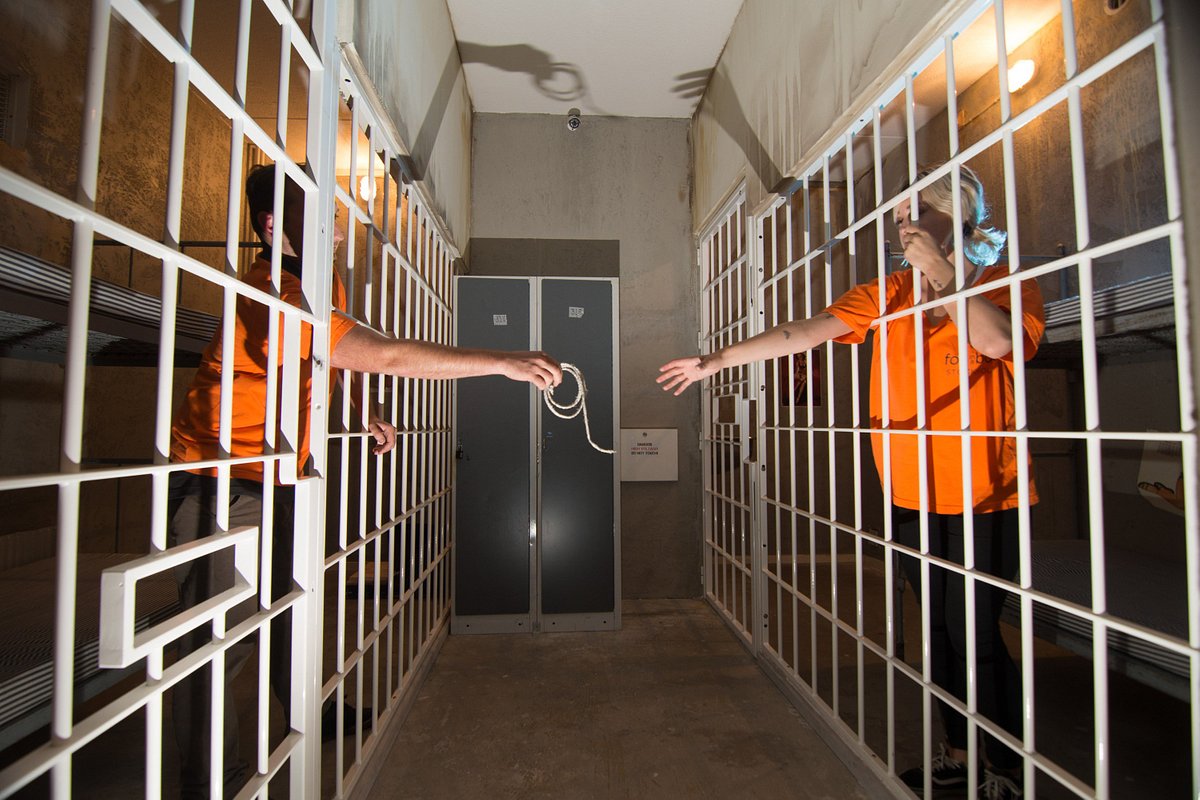
The venue features multiple immersive rooms with distinct narratives, including Prison Break (two mirrored rooms for head-to-head play), Cold War Bunker, Zombie Lab, Tesla’s Mystery, Zodiac Killer, Wild West Saloon, The Other Side, Mastermind Heist, and The Chamber of Lost Legends. Games generally run for about 60 minutes and cater to 2–6 players per room, with capacity for larger groups through multiple rooms.
Atmosphere and facilities
Fox in a Box Brisbane emphasizes detailed set design, sound, and lighting to create a cinematic feel, from prison cells and bunkers to eerie labs and supernatural spaces. There is a sizable reception/lounge area that can host parties or corporate events, with seating, a small bar, and options for catering or BYO food.
Audience and uses
The escape rooms are designed for adults and older children/teens, suitable for birthday parties, family groups, tourists, and corporate team-building. Staff “game masters” monitor each session, offering hints to keep teams progressing and tailoring difficulty for newcomers or experienced players.
Structured home-based and centre-based indoor capacity-building activities designed for skill acquisition, cooking, independence, and sensory regulation during the school holidays.
🍳 Cooking & Life Skills Development
🧘 Sensory Regulation & Mindfulness
🍳 Sub-Folder: Capacity Building & Sensory Wellness (Home & Centre Based)
🍳 Capacity Building & Sensory Wellness
HOME & CENTRE-BASED NDIS
Capacity Building & Sensory Wellness (Cooking, Life Skills & Sensory Activities)
Caterpillar Care also provides structured, home-based and centre-based indoor capacity-building activities designed for skill acquisition, independence, and sensory regulation during the school holidays.
🍳 Cooking & Life Skills Activities
These are great NDIS capacity-building activities .
Skills developed: independence, sequencing, communication
Baking cookies or cupcakes
Cooking simple meals
Making smoothies
Decorating cakes
Grocery shopping practice
Budget cooking
🧘 Sensory & Calm Activities
Good for participants with autism or sensory sensitivities.
Spaces are limited to ensure personalized care, safe ratios, and dedicated 1:1 support workers. Contact Caterpillar Care today to secure your participant’s spot in Brisbane’s best school holiday programs.